
Searching Fayette County Criminal Dockets
Start a Fayette County criminal docket search in Magistrate Case Record Search when the matter involves a magistrate complaint, citation, misdemeanor, or an early felony stage. Use a Case ID or citation number when possible. A name search can be narrowed by first name, middle name, filing dates, case type, party role, and Fayette as the court location. The portal returns no more than 30 records, so broad searches may hide the needed match.
Use WVPASS for public circuit records. The official launch material supports public circuit documents dating to 1999, but the loaded form fields were not available during research. Do not guess at filters. If a transferred case cannot be matched, call the Circuit Clerk and provide the lower-court Case ID, party name, charge, and transfer date.
- Identify whether the record began in municipal, magistrate, or circuit court.
- Search by the exact Case ID or citation number, then try a narrowed name search.
- Open CaseDetail and confirm location, filing date, type, and agency.
- Read charges, events, bond, plea, transfer, and disposition in date order.
- Ask the proper clerk for the underlying document or a certified copy.
Fayette MCR CaseDetail Fields
MCRSearch is more than a name index. Its CaseDetail view separates Basic Case Information, charges, bonds, non-monetary sentence data, parties, Case Event Schedule, and a chronological Docket Entry table. That layout matters because one line rarely tells the whole story. The case style and filing date identify the matter, while later event and disposition fields show what changed.
The official CaseDetail screen supplied the de-identified field model used in Fayette research.
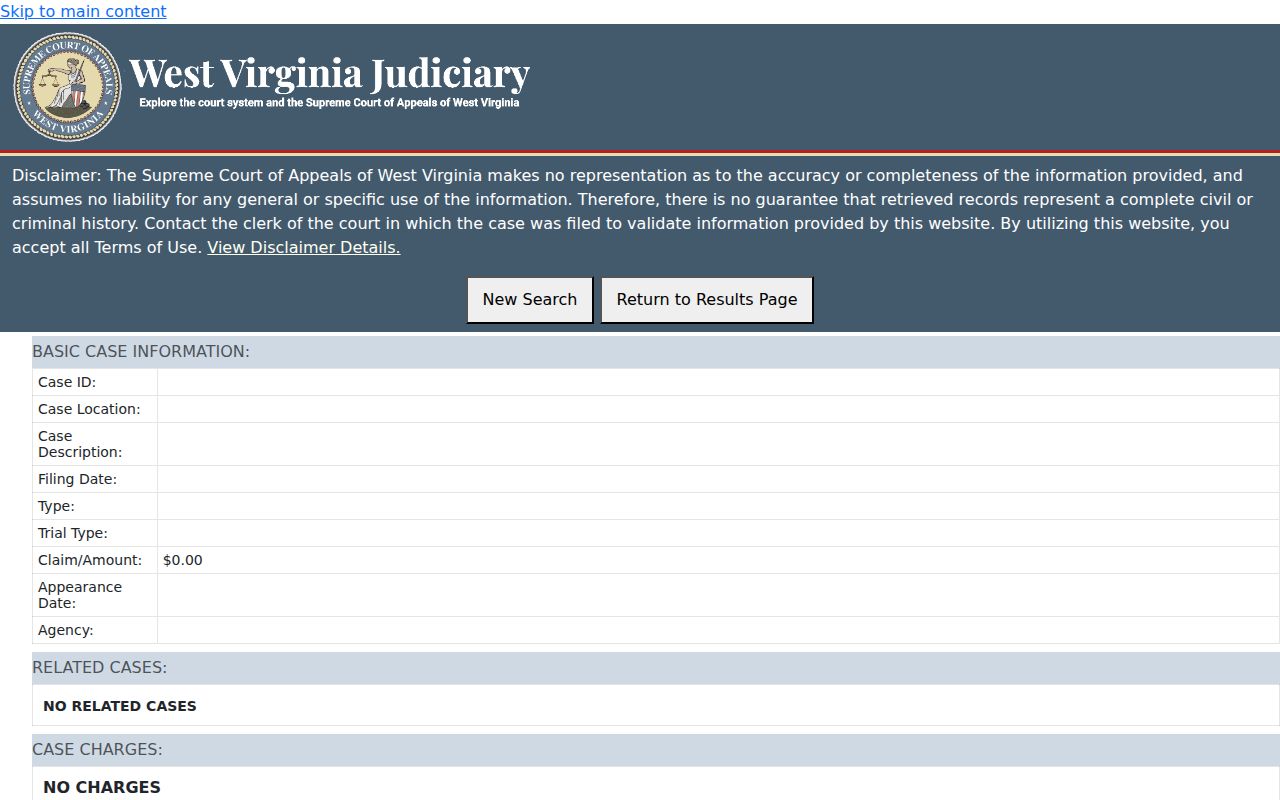
The sample shows why searchers should compare the header, event schedule, charges, and entries instead of relying on a single status label.
Inside a Fayette Criminal Docket
A Fayette County criminal docket is a register of court activity, not the complete file. It can identify the court and case, list the alleged charges, show hearing settings, record a plea or bond event, and state a disposition when populated. Filed orders may still require a request to the Magistrate Clerk. WVPASS may offer public circuit documents, while sealed and juvenile material remains outside ordinary public access.
| Case ID | Copy the exact identifier, shown as Case ID; no local format should be inferred. |
|---|---|
| Charges | Charge, citation, plea, disposition, dates, and statute fields may appear. |
| Events | Date, time, room, location, judge, event type, and reason closed. |
| Bond | Amount, type, status, posting, release, modification, or transfer activity. |
| Docket Entry | Record number, filing date, code, description, and filer. |
Fayette Criminal Docket Codes
Short MCR codes label steps in the magistrate record. Read each beside its date and full description. MFFCF and MMFCF mark felony or misdemeanor complaints. MBOND and MBONI concern bond being set or posted. MGNCH is a notice of hearing, while MGMCT is a motion to continue.
- MGHCT
- Hearing continued. Look for the later setting.
- MGHHD
- Hearing held. A later order may state the result.
- MGTCC
- Transfer to Circuit Court. Search WVPASS or contact the Circuit Clerk.
- MMOJO
- Criminal judgment order. Obtain the order before drawing a firm conclusion.
How a Criminal Case Moves
A magistrate case may begin with a felony or misdemeanor complaint, then show an initial rights sheet, appearance, arraignment, and counsel entries. Bond may be set, posted, modified, revoked, or released. Pretrial activity can include waiver, motion, suppression, and continued-hearing entries. Jury-election or jury-request codes may appear before trial. The charge block and criminal judgment entries should be read together at disposition.
A felony can move from Magistrate Court to Circuit Court. A transfer entry does not close the search. It signals that the reader should locate the new circuit record and compare the circuit judgment or order.
Fayette docket flow: Complaint › Initial Appearance › Bond › Preliminary or Pretrial Stage › Plea or Trial › Disposition or Transfer
Fayette Criminal Search Accounts
Public record access and electronic filing are different tasks. The West Virginia public information page directs members of the public to the public record systems. Registered E-File accounts serve people who submit circuit or family documents and track filing work. They are not required just to read a public docket.
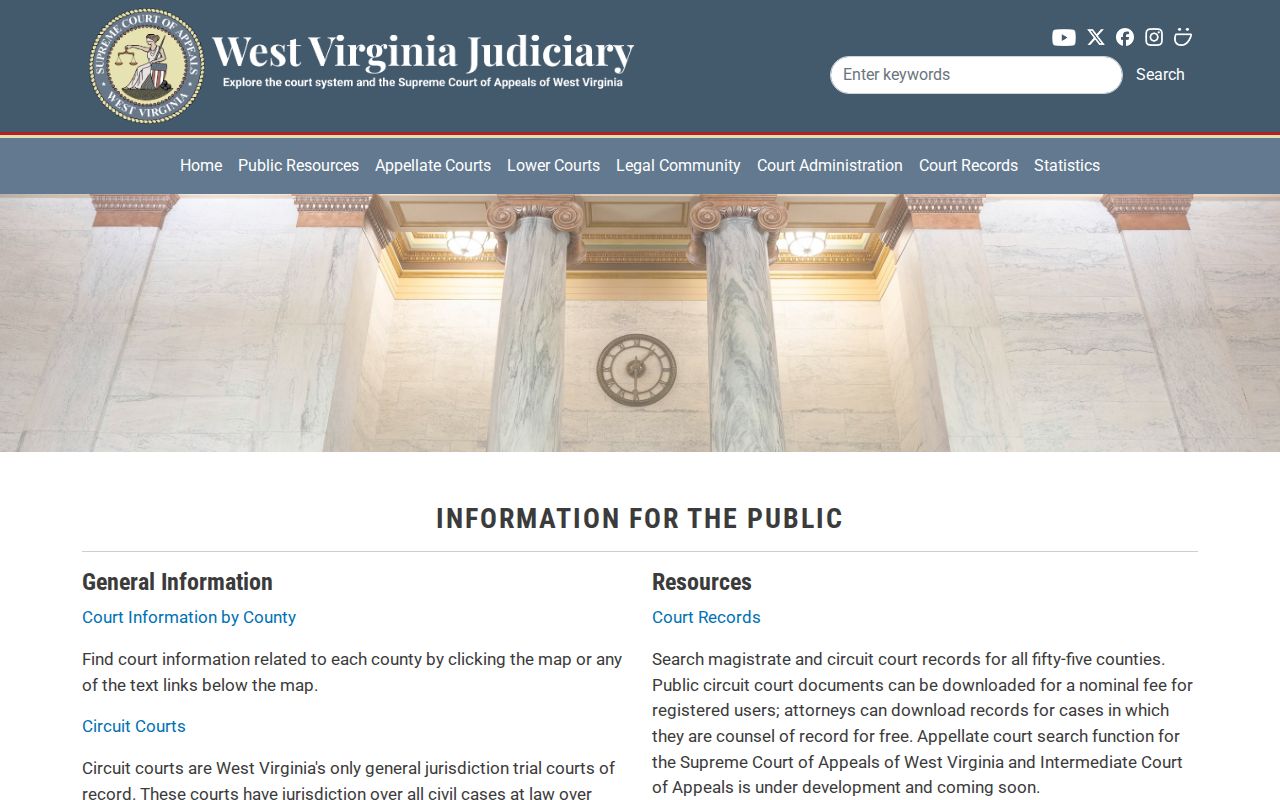
The public notice helps keep a Fayette criminal docket search in WVPASS or MCRSearch instead of the filing system.
The state E-File sign-in makes that boundary visible.
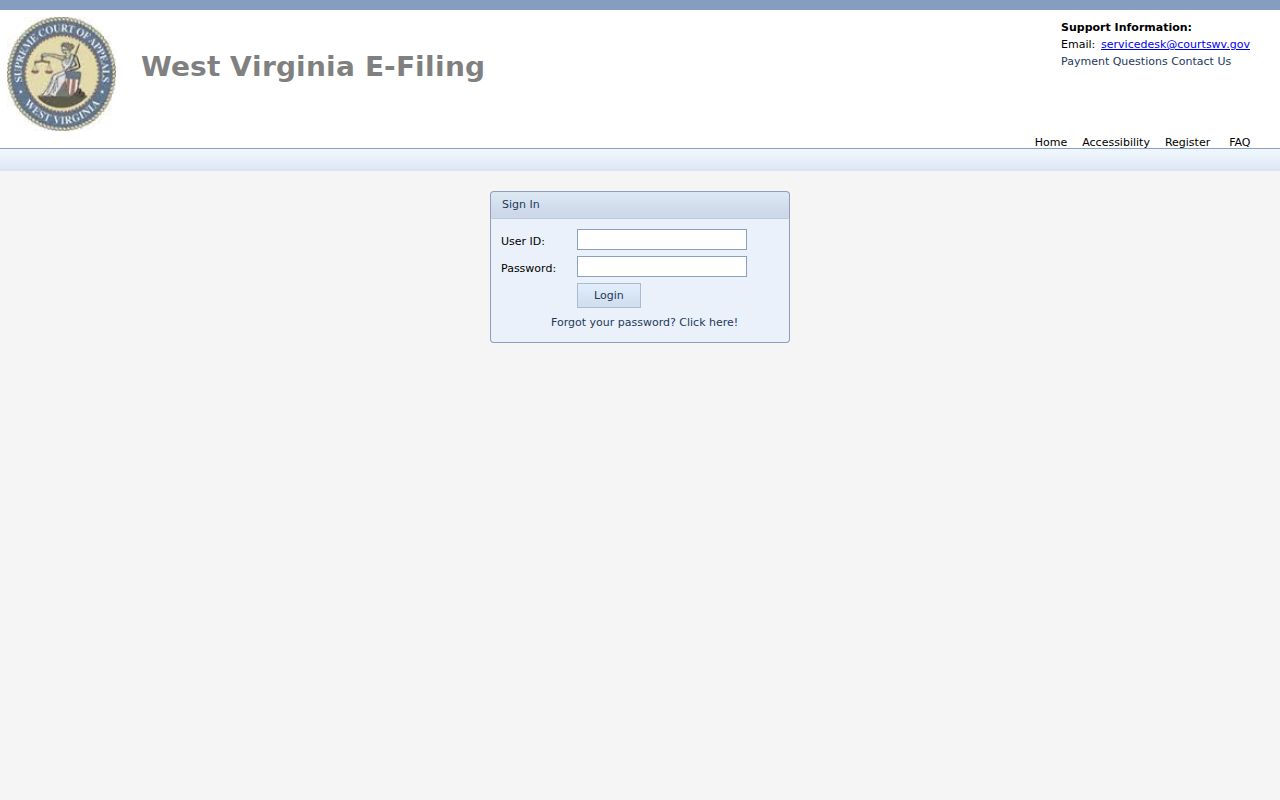
A public searcher who reaches this login should return to the public portals unless filing access is actually needed.
Fayette Courts Holding Criminal Dockets
Fayette County Circuit Court, part of the Fifteenth Judicial Circuit, holds felony and other circuit criminal records. Magistrate Court handles complaints, preliminary steps, traffic matters, and misdemeanors within its authority. Municipal courts handle local ordinance cases. Those records are not interchangeable, even when the same person or event appears in more than one system.
The Circuit Clerk keeps circuit files. The Magistrate Clerk keeps magistrate records and supplies documents that MCRSearch does not publish. Municipal court or police staff route local ordinance requests. The county page and state directory list conflicting names and telephone numbers for the Circuit Clerk, so verify the current office contact before mailing a request or paying for copies.
Fayette Municipal Criminal Dockets
A city citation or ordinance charge does not automatically appear as a state felony docket. Begin with the issuing municipality. Fayetteville publishes a ten-day contact path for a person who wants to dispute a citation or set a court date. Its Municipal Court page shows the local address, procedure, and payment schedule.
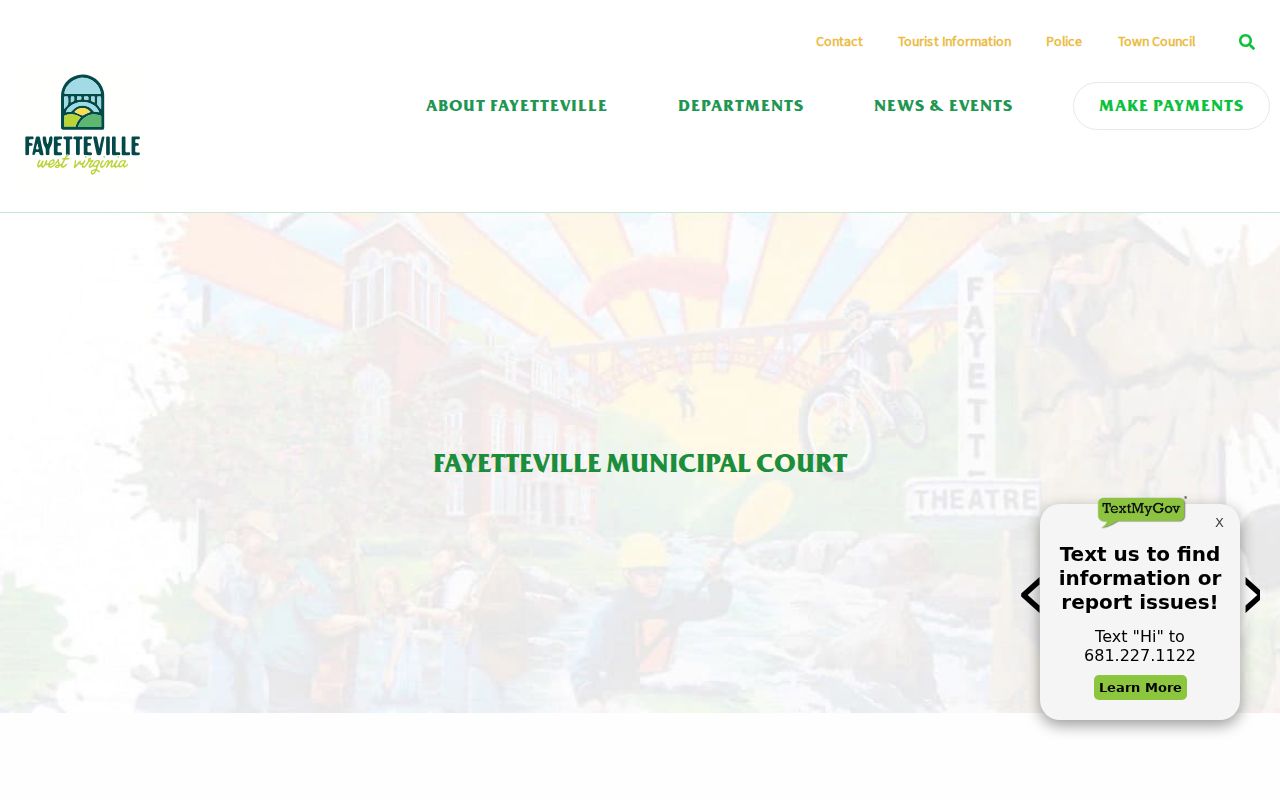
The local instructions illustrate why the citation number and issuing city are vital when a statewide search finds nothing.
Older Fayette Criminal Files
Online coverage does not erase the clerk fallback. WVPASS coverage described by the judiciary begins with publicly available circuit documents dating to 1999, while MCRSearch is a current public case-information system rather than an online store of filed papers. Older files, an incomplete index, a spelling difference, or a transfer between courts can all lead to an empty result.
For a focused request, give the clerk the person's full name, known Case ID, court level, filing range, charge or case type, and the exact item sought. Ask whether the file is public, whether it remains on paper, and what copy or certification charge applies. Visit the counter during the office's weekday hours if remote checks fail. The clerk's official copy is the sound source for a formal need.
Fayette Criminal Docket Access
Public users may inspect and request nonrestricted Fayette County criminal court records from the proper custodian during normal business hours. Yet online access has firm limits. Juvenile records are generally confidential. Sealed or expunged matters, protected witness or victim details, personal identifiers, and security-sensitive information may be absent or redacted. An empty result is not proof that no record exists.
Key rules:
West Virginia Code §51-4-2 opens court papers to inspection unless another law provides an exception.
West Virginia Code §49-5-103 generally protects juvenile records.
West Virginia Code §61-11-26 governs eligible expungements and sealing.